

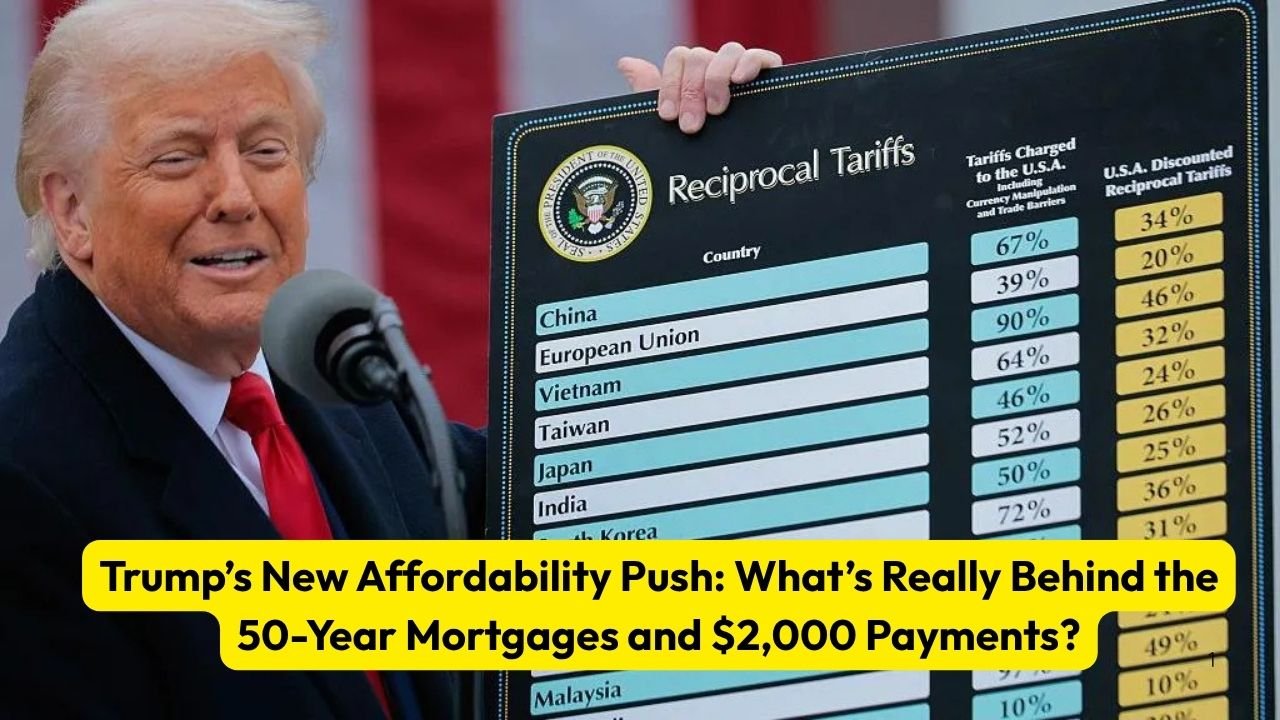
With everyday costs still weighing heavily on American households, President Donald Trump is racing to convince voters he has a plan to make life more affordable. After disappointing election results and growing skepticism about his economic leadership, the White House is rolling out a series of headline-grabbing ideas — but not all of them add up.
Here’s a clear breakdown of what Trump is proposing, why he’s doing it, and whether any of it could actually work.
Why Affordability Is Now Trump’s Top Priority

For most of his term, Trump dismissed concerns about rising expenses, calling “affordability” a fake issue pushed by political rivals. But that shifted quickly after Republicans underperformed in key off-year elections across multiple states.
Exit polls showed a consistent trend: the economy — especially the cost of living — was the number one issue for voters. Meanwhile, Democrats scored big wins by focusing heavily on affordability.
The message was impossible for the White House to ignore.
Trump’s $2,000 Payment Plan: Popular Idea, Big Problems
How it’s supposed to work

Trump is promoting a new proposal to send $2,000 checks to most Americans. He frames the payments as a type of “subsidy,” though they would function more like a rebate funded by money the government collects through tariffs.
Why economists say it won’t pay for itself
Experts warn the math is off:
- Tariff revenue is nowhere near enough to cover nationwide $2,000 payments.
- Limiting eligibility to households under $100,000 would still cost around $300 billion.
- The government would likely need to borrow to fund the plan.
Risk of inflation
Economists also say handing out billions in rebates could raise prices again by increasing consumer spending — a smaller version of what happened after the pandemic stimulus checks.
Treasury pushes a different angle

Treasury Secretary Scott Bessent suggested tariff gains may instead reduce tax rates next year rather than fund direct payments, signaling internal hesitation about the idea.
50-Year Mortgages: A Long Road to “Affordability”
Another idea Trump recently floated: creating 50-year mortgages to help more Americans buy homes.
The case Trump makes
- Longer mortgages = lower monthly payments
- More first-time buyers could enter the market
Concerns from critics across both parties
Even some Republicans rejected the plan immediately:
- Homeowners would pay far more in interest over the life of the loan.
- Many borrowers may never fully pay off their home.
- Lenders and developers would benefit far more than families.
Representative Marjorie Taylor Greene criticized the idea as a giveaway to banks, not a real affordability solution.
Other Cost-Cutting Ideas on the Table
The administration has also floated:
Turning insurance subsidies into cash payments
Trump suggested converting expiring federal health-insurance subsidies into direct cash transfers so Americans could choose their own plans independently.
Targeting specific price spikes
- Launching a federal investigation into high beef prices
- Negotiating lower prices for popular obesity drugs for uninsured buyers
These ideas sound appealing, but many would require congressional approval — and with slim Republican majorities, nothing is guaranteed.
A Strategy of Testing Ideas in Real Time
According to policy analysts, the White House appears to be testing new proposals rapidly to see which ones resonate with the public. Some ideas were announced so quickly that advisers reportedly had little time to weigh in.
Meanwhile, Trump continues to highlight falling prices in certain items, such as eggs and dairy, but avoids mentioning categories where costs are still rising — including beef, electricity, and coffee.
Inflation is now 3%, much lower than the 9.1% peak under Biden, but voter frustration remains high. The challenge now is less about data and more about trust.
FAQs
1. Will Americans actually receive $2,000 checks?
Not unless Congress approves the plan, and that remains unlikely.
2. Do 50-year mortgages make homes cheaper?
They lower monthly payments but dramatically increase total interest paid.
3. Can tariff revenue cover the rebate checks?
No. Tariff income falls far short of the amount required.
4. Are prices going down?
Some categories are dropping, but many essentials continue to rise.
5. Why is Trump rolling out so many ideas at once?
Recent elections showed voters are unhappy with affordability, prompting a fast, wide-reaching response.
Conclusion: Bold Promises, Uncertain Outcomes
Trump is working to reinvent his economic message, offering bold — and sometimes controversial — proposals to show he’s tackling affordability head-on. But without clear funding sources or guaranteed congressional support, many of these ideas may remain political talking points rather than real policy.